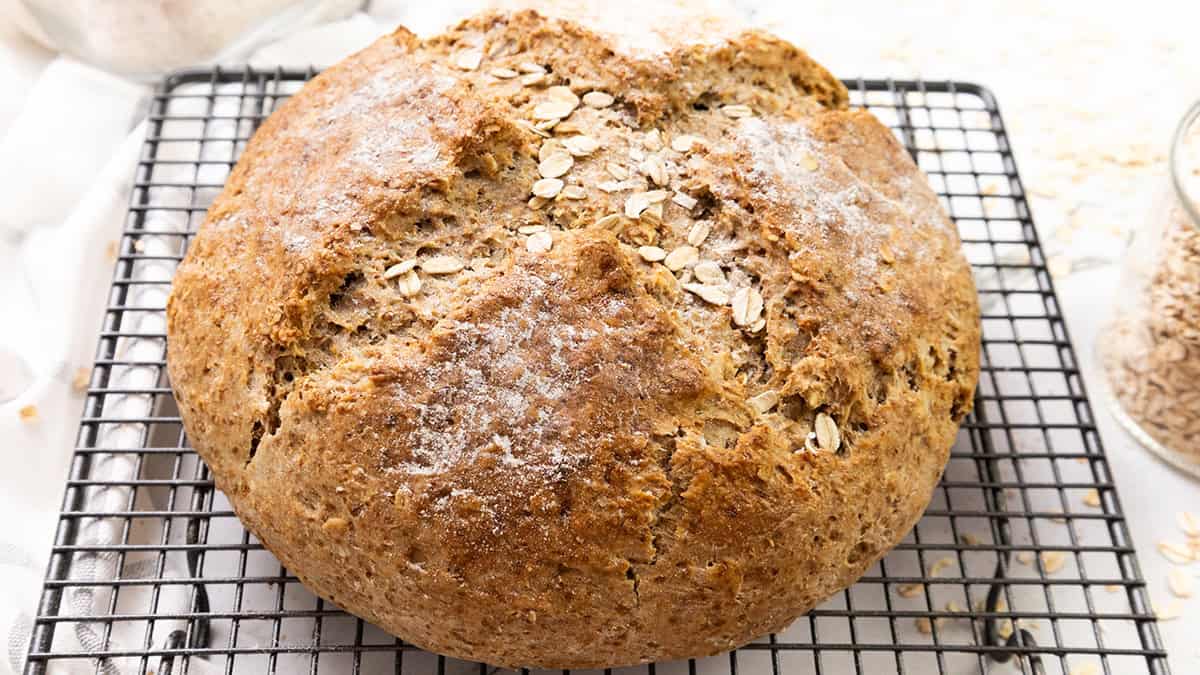
Quick Irish Soda Bread: Crusty Outside, Soft Inside – Perfect for Dipping
Imagine a warm, comforting loaf of bread, fresh from the oven, its crust golden and inviting, giving way to a wonderfully soft, tender interior. Now imagine achieving this culinary delight in about an hour, without the fuss of yeast, proofing times, or complex baking techniques. This isn't a dream; it's the reality of a truly excellent irish soda bread recipe. More than just a simple side, this quick bread transforms ordinary meals into something special, making it an indispensable addition to any home cook's repertoire.
Often overlooked in favor of more traditional yeasted breads, Irish soda bread deserves a prime spot in your kitchen. Its unique charm lies in its simplicity and the delightful contrast it offers – a gloriously crusty exterior that gives way to a surprisingly soft, almost cake-like crumb. It’s the kind of bread that begs to be torn apart and dipped into hearty soups, rich stews, or even a fresh, vibrant salad. For anyone who loves the aroma of fresh bread but lacks the time or patience for traditional baking, this recipe is a true game-changer.
The Magic of Quick Bread: Why Soda Bread Stands Out
What makes Irish soda bread so special, particularly for the home baker? The answer lies in its classification as a "quick bread." Unlike its yeast-leavened cousins that demand hours of rising, kneading, and proofing, soda bread relies on a chemical reaction to achieve its lift. The star of the show here is baking soda, which, when combined with an acidic ingredient like buttermilk, creates carbon dioxide gas that rapidly expands in the oven. This means you can go from mixing bowl to warm, ready-to-eat bread in a fraction of the time.
This yeast-free approach makes soda bread incredibly accessible, even for novice bakers. There's no worrying about yeast activation, proper water temperature, or multiple proofs. Instead, you get a forgiving dough that comes together quickly, leading to a consistently delicious result. The texture is another major selling point. While some might expect a dense, heavy loaf, a well-made Irish soda bread offers a delightful balance. It's hearty enough to stand up to robust flavors but maintains a soft, fluffy interior that's beautifully complemented by its signature crispy crust. This perfect harmony of textures is what makes it so addictive, especially when served piping hot and slathered with butter or used for soaking up the last delicious drops of a savory broth.
The satisfaction of pulling a golden-brown loaf from the oven, filling your kitchen with its wholesome aroma, is truly unmatched. And with this simple, reliable irish soda bread recipe, that satisfaction is just about an hour away.
A Taste of Tradition: The History and Evolution of Irish Soda Bread
To truly appreciate Irish soda bread, it's worth a brief journey back in time to its humble origins. This beloved loaf wasn't born out of culinary extravagance but rather out of necessity and ingenuity during a period of hardship in Ireland. The 1830s marked the introduction of baking soda to the United Kingdom, providing an affordable and efficient leavening agent at a time when resources were scarce and traditional yeast was often hard to come by. Irish communities, facing economic challenges, quickly adopted this innovative ingredient to create a simple, cost-effective bread.
Traditional Irish soda bread recipes relied on basic, readily available pantry staples: flour, baking soda, salt, and sour milk (a precursor to buttermilk). Without the need for expensive yeast or elaborate ovens, it could be easily baked over an open fire or in a bastible pot. The simplicity of its ingredients and method made it a staple in Irish households, providing a filling and nutritious accompaniment to everyday meals. It was a bread born of practicality, designed to feed families during lean times, and its straightforward nature reflects that history.
Today, while the core principles remain, the easy Irish soda bread recipe has evolved, with many delightful variations emerging. Some modern interpretations include additions like raisins, caraway seeds, or even a touch of sugar for a sweeter loaf, though these are often considered "tea breads" rather than traditional soda bread. Despite these innovations, the essence of Irish soda bread – its ease of baking, reliance on baking soda, and distinct tangy flavor – remains unchanged. It continues to be a beloved part of Irish culinary heritage, particularly cherished on St. Patrick's Day, often served alongside dishes like corned beef and cabbage, colcannon, or even a hearty slow cooker beef stew. But its versatility extends far beyond festive occasions; it’s a perfect companion for any savory meal, offering comfort and flavor year-round.
The Secret Ingredient: Unlocking Flavor with Buttermilk (and How to Make Your Own!)
While the baking soda provides the lift, it's buttermilk that truly gives Irish soda bread its characteristic tangy flavor and exceptionally tender crumb. Buttermilk isn't just a liquid; it's an active ingredient that reacts with the baking soda to create the necessary leavening, resulting in that perfectly airy yet substantial texture. Its slight acidity contributes to the bread's signature tanginess, which beautifully complements both sweet and savory accompaniments.
For those who don't regularly keep buttermilk on hand, don't despair! Making a homemade substitute is incredibly easy and yields excellent results, ensuring you can whip up this fantastic irish soda bread recipe whenever the craving strikes. The process is simple: for every cup of buttermilk required, measure out one tablespoon of an acidic agent – either lemon juice or white vinegar – into a liquid measuring cup. Then, fill the rest of the cup with cold milk (any percentage, though whole milk yields a richer result) until it reaches the 1-cup mark. Give it a gentle stir and let it sit for about 5 minutes. During this brief resting period, the acid will curdle the milk slightly, mimicking the tang and consistency of traditional buttermilk. You'll notice it thickening slightly and possibly forming small curds – this is exactly what you want!
This homemade buttermilk substitution is a foolproof trick that ensures you never have an excuse not to bake this delicious bread. It provides that essential zesty flavor profile and acidic environment needed for the baking soda to do its magic, leading to a perfectly risen and flavorful loaf every time. So, even if your fridge is buttermilk-free, you're just minutes away from creating the perfect tangy foundation for your homemade buttermilk Irish soda bread.
Crafting Your Loaf: A Simple, Failproof Irish Soda Bread Recipe
The beauty of this irish soda bread recipe lies in its straightforward preparation, making it an ideal project for even the most hesitant bakers. The process begins by combining all your dry ingredients – typically flour, baking soda, and salt – in a large mixing bowl. A quick whisk ensures everything is evenly distributed, a small but important step for consistent results.
Next comes the fat: cold butter. Using a fork or a pastry cutter, you'll cut the butter into the dry mixture until it resembles coarse crumbs or sand. This technique, similar to making pie dough, helps create pockets of steam during baking, contributing to the bread's tender interior and delightful crust. Once your dry mixture is ready, it's time to add the star liquid: buttermilk (or your easy homemade substitute). Pour the buttermilk into the flour mixture and mix until a shaggy dough begins to form. The key here is to mix just until combined; overmixing can lead to a tough loaf, so resist the urge to work it too much.
Turn the dough out onto a lightly floured surface. You'll want to knead it gently for just a minute or two, bringing it together until it's cohesive and relatively smooth, though it will still be a bit sticky. Form the dough into a plump, round loaf – a rustic shape is perfectly authentic. Before transferring it to a buttered baking pan or cast iron skillet, dust the top lightly with a little extra flour. The final, iconic touch is to score a deep "X" shape on the top of the loaf. This isn't just for aesthetics; it helps the bread expand evenly in the oven and is traditionally said to ward off evil spirits or bless the bread for a good bake. Pop your loaf into a preheated oven, and within approximately an hour, you'll be rewarded with a golden-brown, crusty loaf that fills your kitchen with an irresistible aroma. The first bite, with its perfect balance of crust and soft interior, is guaranteed to have you hooked.
Tips for Your Best Irish Soda Bread
- Don't Overmix: This is perhaps the most crucial tip. Overworking the dough develops the gluten too much, resulting in a tough, dense bread instead of the desired soft texture. Mix just until combined.
- Cold Butter is Key: Like pie crusts, using cold butter helps create a flaky, tender crumb.
- Score Deeply: The "X" cut should be quite deep, almost to the center of the loaf, to allow for proper expansion during baking.
- Serve Warm: While delicious at any temperature, Irish soda bread is truly at its peak when served warm, especially with butter, jam, or alongside a hot meal.
- Storage: Store leftover bread tightly wrapped at room temperature for up to 2-3 days. Reheat briefly in the oven for a "fresh-baked" experience.
This irish soda bread recipe is truly a culinary gem, offering the comfort and satisfaction of homemade bread with unparalleled ease. From its humble historical roots to its current status as a beloved staple, it stands as a testament to simple, delicious baking. Whether you're seeking a quick side for your family dinner, a warm addition to a holiday spread, or simply the joy of baking fresh bread without the fuss, this recipe delivers every time. Its crusty exterior and soft, tangy interior are perfect for dipping, spreading, or simply enjoying on its own. So, gather your simple ingredients, and prepare to delight in the timeless appeal of a perfectly baked Irish soda bread.
